Identity locks
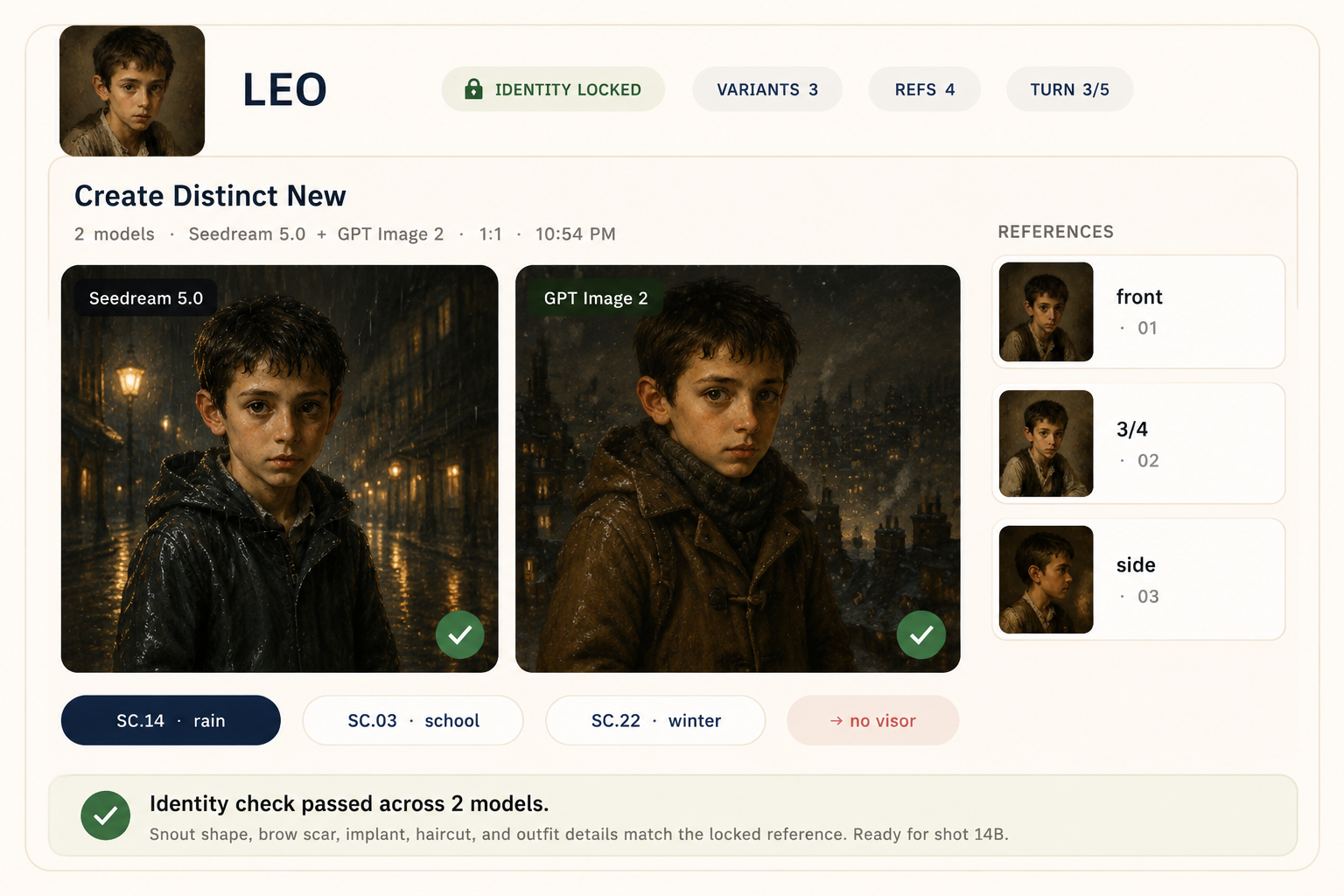
The immutable spine: bone structure, vocal pattern, signature wardrobe, distinguishing marks. Once locked, it travels with every reference plate and every shot — the first thing every model receives.
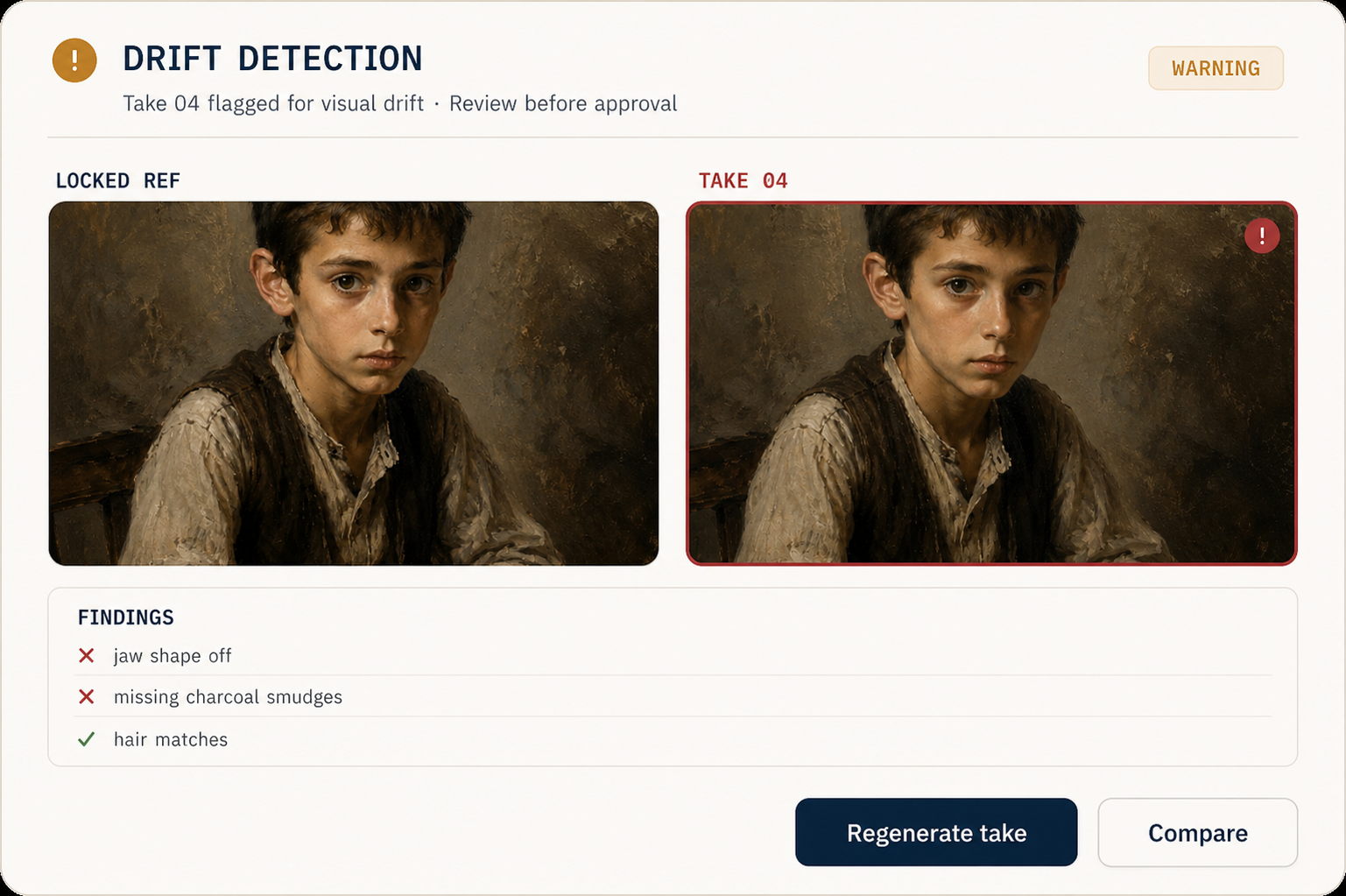
The hardest problem in AI film is character drift. MML ONE treats identity and variation as separate objects: bone structure, gait and voice stay locked while wardrobe, expression and state change scene to scene.
Lock the spine of a character once and the rest of the production stops worrying about it. Four mechanisms do the work.
The immutable spine: bone structure, vocal pattern, signature wardrobe, distinguishing marks. Once locked, it travels with every reference plate and every shot — the first thing every model receives.
Turnaround angles, lighting conditions, distance plates. Add one and it propagates to every shot that calls the character; replace one and every shot updates — no re-prompting.
What the character is not: no glasses in scene 14, no facial hair in flashbacks. Not suggestions — rules each downstream model receives alongside the prompt.
Wardrobe, expression, blocking, weather — all variant. Tag one per scene and the same identity lock plus the right variant goes downstream every time. Variants are versioned, so a costume change doesn't orphan approved takes.
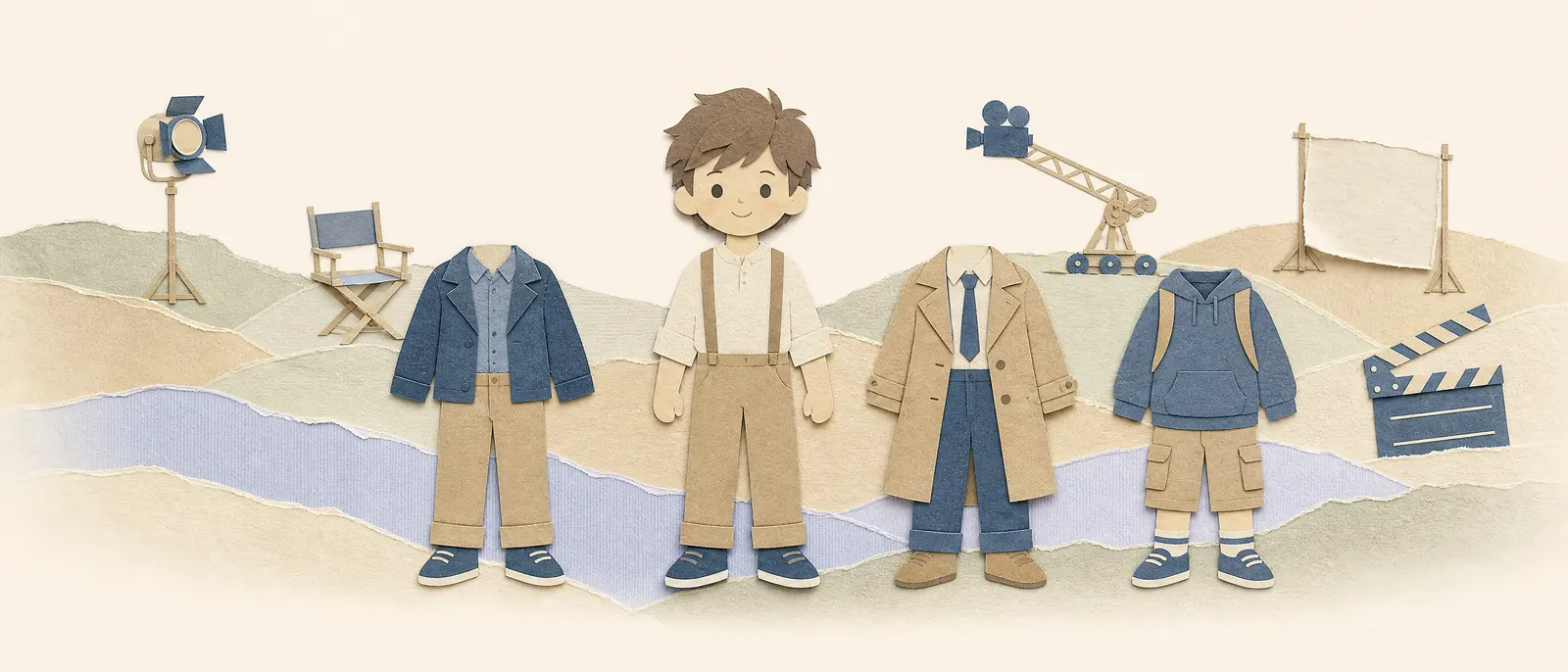
Define the spine once — the parts of the character that never change.
Build the reference library and tag what changes per scene.
Every take is checked against the lock; drift is flagged before it reaches the cut.
Start with a premise, a screenplay, or a folder of references. We'll set up your provider keys and walk through the first scene with you.
Cookie settings
We use analytics cookies to improve MML ONE. You can decline anytime. Privacy